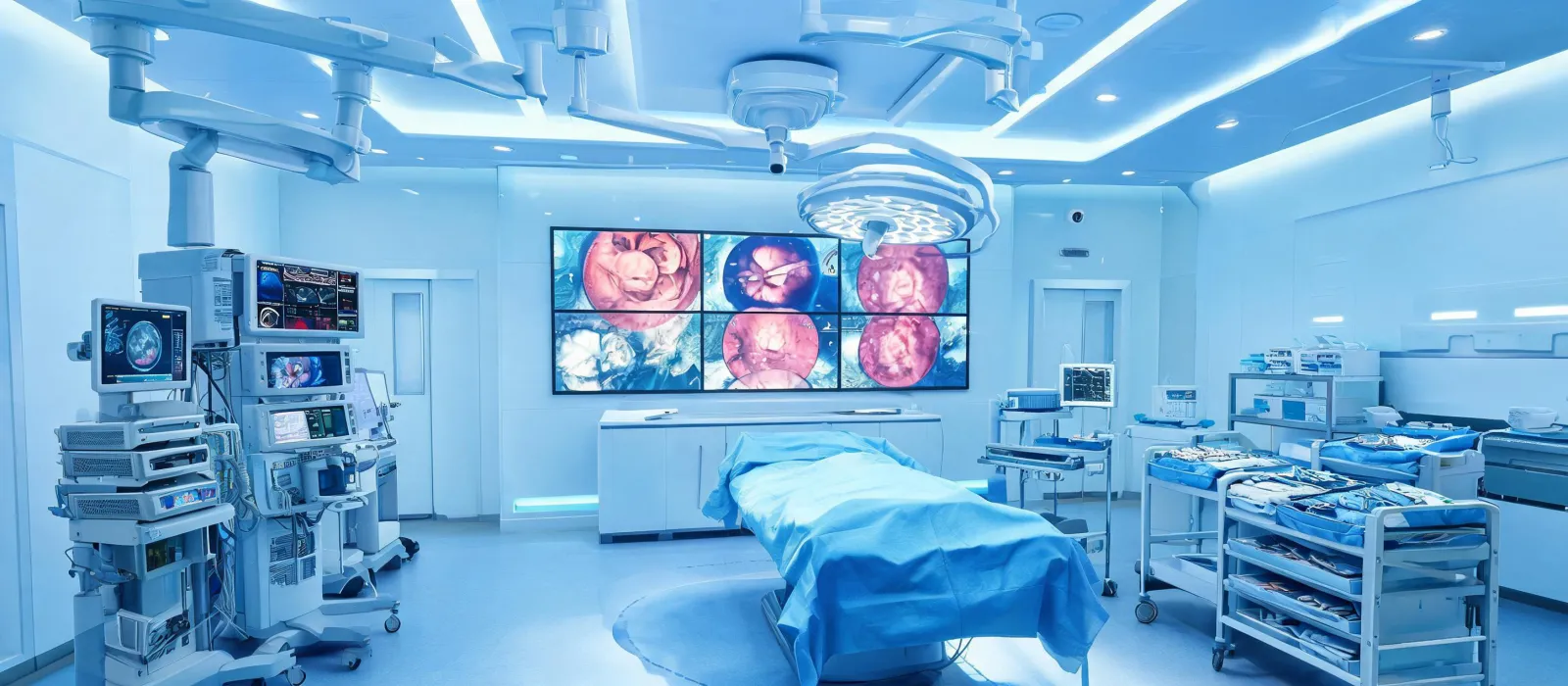
Karl Storz builds surgical and diagnostic workflows around clear visualization, dependable instruments, serviceable connected systems, and documentation that hospital teams can keep in their regulatory files.
The roadmap focuses on the practical issues that determine whether a device program is sustainable after installation: cybersecurity disclosure, interoperability, reprocessing readiness, remote support, and responsible materials planning.
Software Bill of Materials disclosed for connected tower components and reviewed with hospital IT during commissioning.
Procedure documentation and image routing packets structured for hospital integration discussions.
Faster issue classification for camera, light source, recorder, and network-related support events.
Updated IFU, inspection, leak testing, and tray management files made easier for sterile processing leaders to retrieve.
Service, repair, packaging, and reusable instrument design aligned to hospital sustainability commitments.
Configuration claims are written so clinical engineering, value analysis, and surgeons can evaluate them without marketing shorthand.
UDI, GTIN, IFU, and service notes are handled as core product data, not late-stage paperwork.
Room setup, user orientation, sterile processing, and escalation playbooks are planned before go-live.
Preventive maintenance, parts access, and loaner logic are matched to each facility's case volume.
Reusable design, repairability, and packaging choices are evaluated alongside capital and service costs.